
Attentive Signal vs Tie vs Opensend: Visitor Identification for DTC Brands (2026 Guide)
15 min read
Last updated
Share
In this article
Direct answer: For a Klaviyo-first DTC brand, Tie is the best fit of the three because it lists a Klaviyo marketplace app, publishes how consent is handled, and keeps Klaviyo as the system of record for who can be messaged. Attentive Signal is the better choice only when Attentive already runs your SMS and email, since its Identity AI is built to recognize people inside Attentive's own subscriber base. Opensend has the lowest published entry price, at $400 a month on annual billing, which makes it the easiest to pilot, but its consent explanation is thinner. Sticky Digital recommends piloting any of them on a small, suppressed audience before sending to everyone they find.
Every price, limit, and claim in this guide comes from each vendor's own pages, checked November 2026. Vendor performance numbers are the vendor's claims and are labeled that way.
Last updated: November 23, 2026. This guide is reviewed and updated quarterly.
Where Sticky Digital sits in this decision
Sticky Digital is a retention agency and a Klaviyo Platinum Partner. We do not resell any of these three tools and we are not paid by them. We sit on the receiving side of the decision: once a tool names an anonymous visitor, someone has to decide what that person is allowed to receive, which flow they enter, and how the program proves it later.
That is where most identification projects go wrong. The tool finds people, the dashboard shows a healthy number, and nobody has written down which of those people were already subscribed, which were never asked, and which would be a complaint waiting to happen. This guide is written for the person who has to make that call, usually the head of retention or ecommerce at a brand doing $10 million or more.
What is visitor identification, and why do brands buy it?
A visitor identification tool is software that matches anonymous website traffic to a known person using signals such as IP address, device characteristics, and an identity graph, so a brand can follow up with someone who never filled out a form.
The appeal is easy to see. Most visitors to a beauty, wellness, or subscription store leave without giving an email address. Pop-ups and forms capture a small share. If a tool can put a name and an address on even a slice of the rest, an abandoned browse flow reaches people it never could before. Our guide on improving pop-up opt-in rate covers the other side of that coin: earning the address instead of inferring it.
The risk sits in the same place as the appeal. Our companion piece, Is ID Graphing Legal?, goes through the legal questions in more depth. This guide stays on the product differences. None of what follows is legal advice, and any brand using one of these tools should have its counsel review the consent model before sending.
Want this checked in your own account?
We review your flows, segments, campaigns and deliverability in a 35 to 40 page audit, delivered in 3 to 5 days.
How we compared these three tools
We ordered the criteria by what causes trouble once the tool is live, not by what looks best on a demo.
- Consent model. What each vendor says about how the people it identifies agreed to be contacted, and who records that agreement.
- Where the data lives. Whether identified people land in Klaviyo, in Attentive, or in a separate system you then have to reconcile.
- Published pricing. What each vendor puts in writing, and the unit it charges in.
- Eligibility and limits. Traffic minimums, plan requirements, and trial terms.
- Stated match rates. What each vendor claims, how it defines the number, and whether the page gives a baseline.
- Proof you can check. Third party certifications, public documentation, and anything a buyer can verify without a sales call.
Attentive Signal vs Tie vs Opensend at a glance
The three tools differ most on price, on where the data goes, and on how openly each describes consent. The table below summarizes what each vendor publishes, checked November 2026.
| Tool | Best for | Published price | Key limit | Deciding feature |
|---|---|---|---|---|
| Attentive Signal | Brands already on Attentive | Not published; Identity AI is part of AI Pro | Only recognizes people who opted in to your Attentive program | Recognition inside one subscriber base |
| Tie | Klaviyo-first brands with real traffic | Plans start at $12K a year | 100,000 monthly US visitors or 200,000 active CRM profiles | Double opt-in claim and a Klaviyo listing |
| Opensend | Smaller brands testing the idea | $400 a month on annual billing | Priced per identity delivered, from $0.20 down to $0.168 | Lowest published entry price |
Sources: Attentive's Signal page and Identity AI help article, Tie's FAQ, and Opensend's pricing page, all checked November 2026. None of the pages shows a publication date.
Pick Attentive Signal if Attentive is already your SMS and email platform and you want recognition to work inside that account. Pick Tie if Klaviyo is your system of record and your traffic clears its minimum. Pick Opensend if you want to run a small, cheap test before committing real budget.
Attentive Signal (Best for brands already running Attentive)
Attentive Signal is Attentive's identity offering. Its marketing page describes it as a way to understand who is shopping on a site, and says its server-side technology sets cookies that are more durable than standard browser cookies. The help article on Identity AI, which appears to be the recognition engine behind it, is the more useful read. The two pages never state outright that the products are the same, so treat that link as our inference.
What it does well
- It works inside the subscriber base you already have. Attentive's help article says Identity AI "only attempts to recognize site visitors who've opted in" to your Attentive messaging program.
- It uses first-party device and behavioral information from sign-ups and other touchpoints, including user agent, IP address, IP-based location, carrier, and browse time, to rematch a returning person after a cookie expires.
- It needs no separate vendor contract if you are on the right Attentive plan. Identity AI is described as part of AI Pro.
Where it falls short
Because it recognizes people who already opted in, it solves a different problem from the other two. It helps you reconnect with known subscribers who return on a new device. It does not name strangers. Neither page we read says it works with Klaviyo, and Attentive competes with Klaviyo for email and SMS, so a Klaviyo-first brand would be adopting a second platform for this feature. The marketing page shows headline figures of 20%, 95%, and 75%, but gives no baseline, time period, or method, so we do not treat them as results. Our posts on Attentive's AI tiers and whether to switch from Klaviyo SMS to Attentive cover that wider decision.
Pricing and fit (checked November 2026)
Attentive does not publish a price for Identity AI on either page. It points to AI Pro and your account manager. Fit: strongest for a brand already on Attentive with a large opted-in list and a lot of cross-device traffic.
Tie (Best for Klaviyo-first brands with meaningful traffic)
Tie sells an identity layer that sits on top of Klaviyo. Its Klaviyo marketplace listing names anonymous visitor identification, shopper scoring, and real-time browsing data synced into Klaviyo as profile properties and events.
What it does well
- It documents consent more fully than the others. Its FAQ says Tie runs on double opt-in, integrates with the consent management platform already on your site, and blocks tracking at the code level if either consent is missing.
- It states that it never creates or changes marketing consent, and that Klaviyo stays the system of record for subscription status and messaging eligibility.
- It lists SOC 2 Type I and II certification and says it supports CCPA and CPRA access and deletion requests.
- Match thresholds are yours to set, and profiles sync only once a match clears the threshold you chose.
Where it falls short
It is the most expensive of the three and has a traffic floor. Its own FAQ says a brand needs at least 100,000 monthly unique US website visitors or 200,000 active CRM profiles. The match claims are large: up to 70% of US visitors, against roughly 10% for a typical email platform. That is the vendor's figure and the FAQ does not give a method. There is also a tension worth asking about. The FAQ says Tie never creates consent, yet also says it identifies visitors who are not yet on your list. Ask Tie in writing how those net-new people are consented upstream before you email them.
Pricing and fit (checked November 2026)
Plans start at $12,000 a year, billed on credits: one credit per unique identified person per month. A 25% discount applies to annual prepayment, contracts are annual, and a 30 day trial is listed. Fit: a $10 million plus brand on Klaviyo with a clean consent setup and enough traffic to justify the contract.
Opensend (Best for a low-cost pilot)
Opensend describes itself as a lead generation platform that captures anonymous website visitors using what it calls a proprietary identity graph. Its pricing page lists Klaviyo among the tools it connects to.
What it does well
- It publishes real numbers. Three tiers are priced openly, so you can model cost before talking to anyone.
- Unused credit rolls over, and the number of identities delivered can be capped.
- Entry is low. The lowest tier is meant for stores with 10,000 to 50,000 monthly visitors, well below Tie's floor.
Where it falls short
Its consent explanation is the thinnest of the three. The homepage says it complies with all laws by partnering with sites whose registered users consent to partner marketing, and it carries a "100% legally compliant" badge. It does not say how consent is captured on those partner sites, which sites contribute data, or what a visitor was shown. Its numbers also do not line up with each other. The pricing FAQ says it typically identifies around 25 to 35% of anonymous visitors, while the homepage cites a 73% match rate for US shoppers in its network, which measures something different. The trial terms also differ between pages, a $1 trial on the homepage and a 14 day trial on the pricing page. We could not confirm the Klaviyo listing for Opensend in this review.
Pricing and fit (checked November 2026)
See the table below. Neither page shows a date. Fit: a smaller brand that wants to test whether identification moves revenue before committing a five-figure contract.
What each tool costs, side by side
Opensend publishes per-identity pricing, Tie prices in credits per month, and Attentive does not publish a figure, so the cleanest comparison is the unit each one bills in.
| Plan | Monthly price (USD, annual billing) | Identities included | Cost per identity (USD) |
|---|---|---|---|
| Opensend tier 1 | $400 | 2,000+ | $0.20 |
| Opensend tier 2 | $800 | 4,300+ | $0.186 |
| Opensend tier 3 | $1,600 | 9,500+ | $0.168 |
| Tie Launch, Scale, Enterprise | From $12,000 a year | 1 credit per unique ID per month | Not published as a dollar rate |
| Attentive Identity AI | Not published | Part of AI Pro | Not published |
Sources: Opensend pricing, Tie FAQ, and Attentive's Identity AI help article, checked November 2026. Opensend's page does not say which billing toggle the displayed prices reflect beyond "billed annually."
The per-identity cost is only half the math. An identified address that never converts, or that complains, still costs the credit and can cost deliverability. Our guide to whether SMS is worth it makes the same point about texts that lose money: the send is cheap, the wrong send is not.
How to choose by situation
The right pick depends on which platform owns your list and how much traffic you have. The table below maps the common situations.
| Your situation | Best pick | Why |
|---|---|---|
| Klaviyo is the system of record, traffic above 100,000 monthly US visitors | Tie | Klaviyo listing, published consent model, Klaviyo keeps eligibility |
| Attentive runs SMS and email | Attentive Signal | Recognition works inside the account you already pay for |
| Traffic under 50,000 monthly visitors, budget under $1,000 a month | Opensend | Published entry tier, rolling credit, capped delivery |
| Klaviyo for email, Attentive for SMS | Decide the system of record first | Two owners of consent make identified contacts hard to audit |
If your list is small and your pop-up is weak
Fix capture first. A better form and a better offer earn addresses with a clean consent record, and that is cheaper than identifying people who never raised a hand.
If you are a mid-market brand on Klaviyo
Run a capped pilot with a vendor that documents consent, and send only to identified people who are already subscribed in Klaviyo for the first 60 days.
If you run Klaviyo and Attentive together
Name one platform as the owner of subscription status before you turn anything on. Identification multiplies the problem of two systems disagreeing about who can be messaged.
Why visitor identification fails: an address with no consent trail
The failure we see most is not a bad match. It is a good match that nobody is allowed to email. Picture a supplement brand that turns on identification and routes every new address straight into a browse abandonment flow. The dashboard shows thousands of new reachable people. Some were already subscribed, some had unsubscribed, and some never agreed to hear from the brand at all. Complaints rise, sender reputation drops, and the brand cannot answer a simple question: why did this person get this email?
Identification tells you who someone probably is. It does not tell you whether they agreed to be contacted. The two have to be kept apart in your data, in your flows, and in your reporting. The table below shows the decisions that prevent the failure.
| Decision | What to set before launch | Owner |
|---|---|---|
| Who may be emailed | Only profiles with an existing subscribed status in Klaviyo | Head of retention |
| How identified-only people are tagged | A profile property that marks source as identified, never subscribed | Retention producer |
| Which flows they can enter | Onsite and ad audiences only until consent is confirmed | Retention producer |
| How opt-outs are honored | Suppression list sync in both directions with the vendor | Ecommerce lead |
| Who reviews the consent language | Your counsel, in writing, before the first send | Founder or COO |
How to check this yourself
You can test any identification vendor's consent story in an afternoon without a sales call.
- Read the vendor's FAQ and privacy policy for the exact words describing how people in its network agreed to be contacted, and note who records that agreement.
- Ask in writing whether a person who has never been on your list can be delivered to you, and how they were consented upstream.
- Confirm which system holds subscription status after a match, and whether opt-outs flow back to the vendor.
- Pull ten identified addresses from a pilot and trace each one to a consent record you could show a regulator or a mailbox provider.
- Have counsel review the answers before any identified-only address is emailed or texted.
How Sticky Digital sets this up in Klaviyo
Our retention team treats identification as an audience source, not a subscriber source. In practice that means five things.
- A source property on every identified profile, so identified people can be segmented out of any send in one click.
- A strict rule, using a suppression list for everyone else, that only profiles already subscribed in Klaviyo enter email and SMS flows.
- A capped pilot with a holdout group, so revenue is measured against people who were not touched.
- A weekly review of complaints, unsubscribes, and spam rate for the pilot segment, separate from the rest of the list.
- A written consent note from the vendor kept in the client file, so the answer to "why did they get this?" exists before anyone asks.
If you would like a second set of eyes on a vendor's consent language or a pilot design, talk to our team.
Final verdict
Choose Tie if you run Klaviyo, clear its traffic minimum, and want the most documented consent model of the three. Choose Attentive Signal if Attentive already owns your messaging and you want recognition of returning subscribers. Choose Opensend for a small, capped test, and get its consent explanation in writing before you email anyone it finds. Whatever you pick, keep identification and consent as separate fields, and do not send to identified-only people until counsel has signed off.
FAQ
What is a visitor identification tool?
A visitor identification tool is software that matches anonymous website traffic to a known person using signals such as IP address, device characteristics, and an identity graph, so a brand can follow up with someone who never filled out a form. It identifies a person. It does not by itself give you permission to email or text them.
How much does visitor identification cost for a Shopify store?
Opensend publishes three tiers at $400, $800, and $1,600 a month on annual billing, which works out to $0.20 down to $0.168 per identity delivered. Tie says plans start at $12,000 a year and bills in credits. Attentive does not publish a price for Identity AI, which is part of its AI Pro offering. Prices were checked in November 2026 on each vendor's own pages.
Does Tie, Opensend, or Attentive Signal work with Klaviyo?
Tie has a Klaviyo marketplace listing and syncs scores and events into Klaviyo as profile properties. Opensend's pricing page lists Klaviyo among the tools it connects to, though we could not confirm a marketplace listing. Attentive's Signal and Identity AI pages do not mention Klaviyo, and Attentive is a competing messaging platform, so it fits best for brands already running on Attentive.
What results should I expect from visitor identification?
Vendors claim large numbers. Tie says it can recognize up to 70% of US visitors, Opensend's pricing page says it typically identifies around 25 to 35% of anonymous visitors, and Attentive does not quantify its match accuracy. These are vendor claims with no published method, so run a capped pilot with a holdout group and measure revenue from identified people against people who were not messaged.
Which visitor identification tool is right for a growing store?
A growing store on Klaviyo with under 100,000 monthly US visitors is usually better served by fixing list capture first, then testing a low-cost option such as Opensend with a capped budget. Tie asks for at least 100,000 monthly unique US visitors or 200,000 active CRM profiles. Whichever tool you test, only send email and SMS to identified people who are already subscribed, and keep identified-only contacts out of your flows.
Want a second opinion before you turn identification on?
Sticky Digital reviews vendor consent language, builds the Klaviyo setup, and designs a capped pilot. Contact Sticky Digital to talk it through.
Article By: Mariel Kilroy, Co-Founder, Sticky Digital
Retention only, since 2019.








Emails we have designed and shipped.
 American Optical
 Smith Teamaker
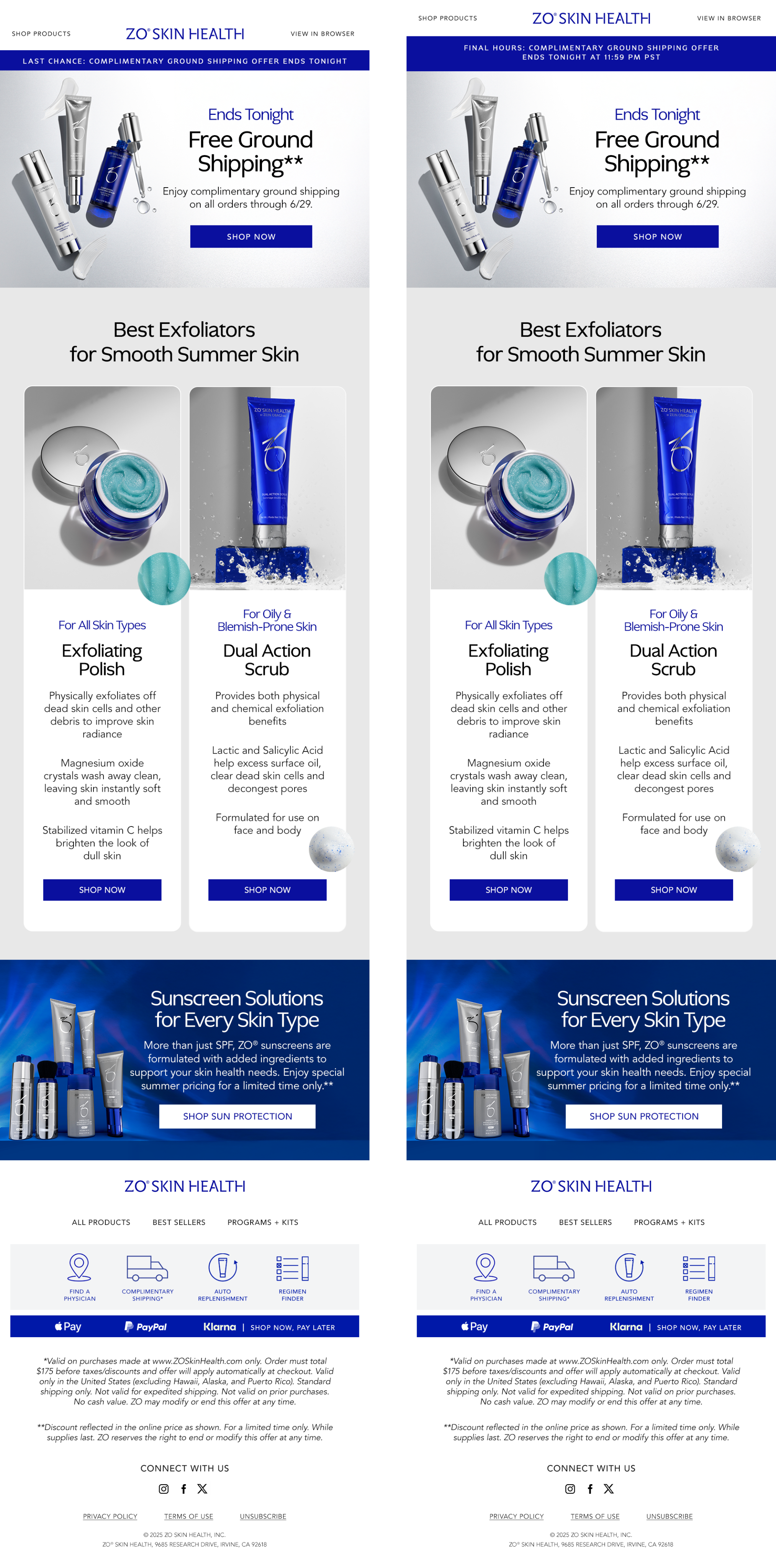 ZO Skin
 Wiley X
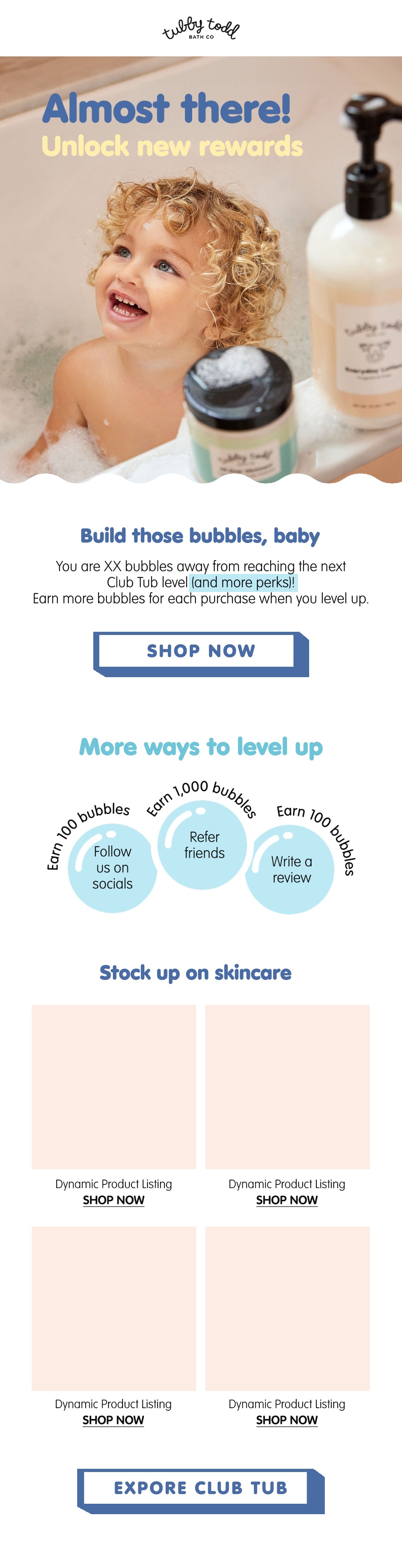 Tubby Todd
 Legend Headwear
 Calaswim
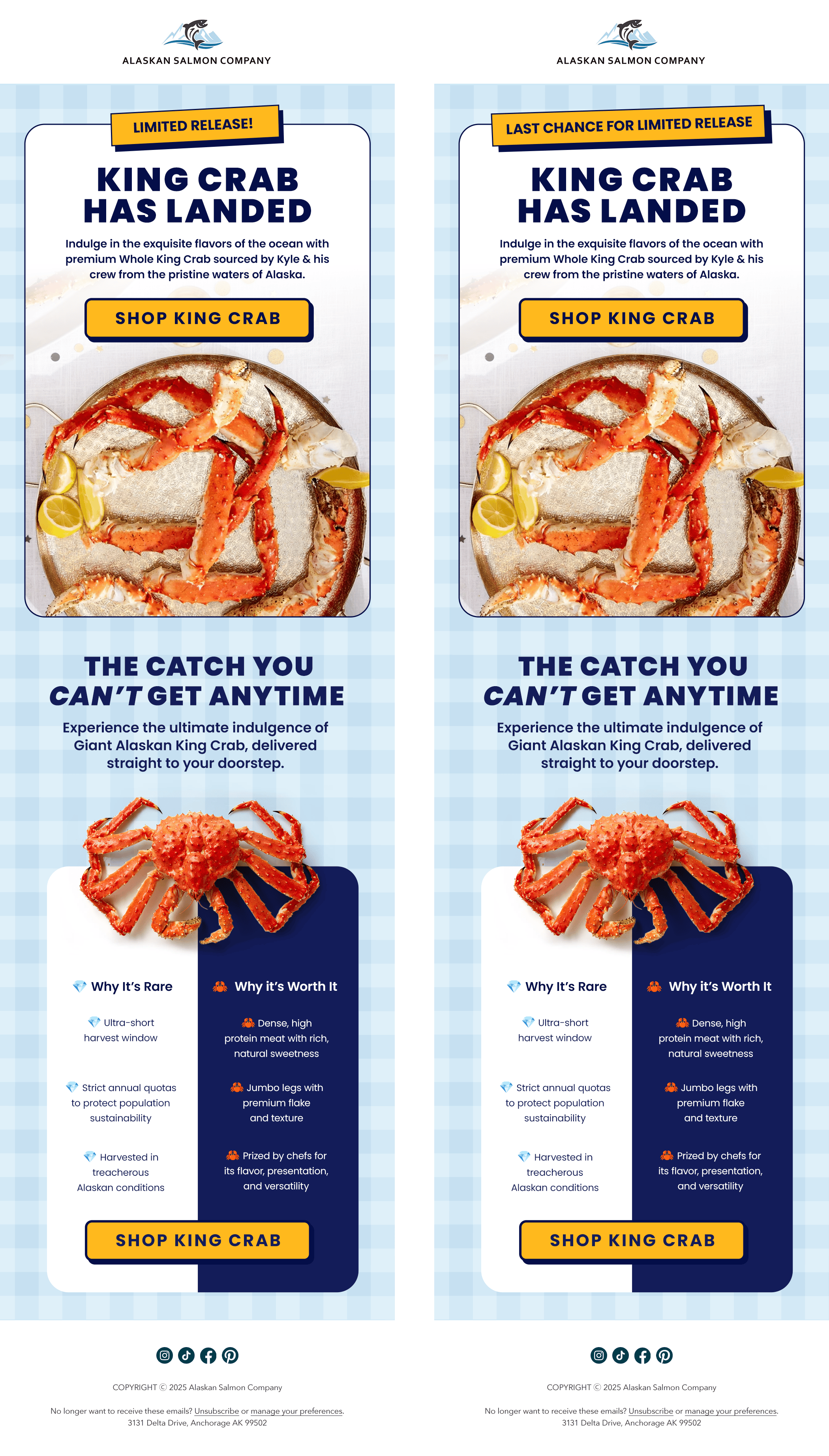 Alaskan Salmon Co.
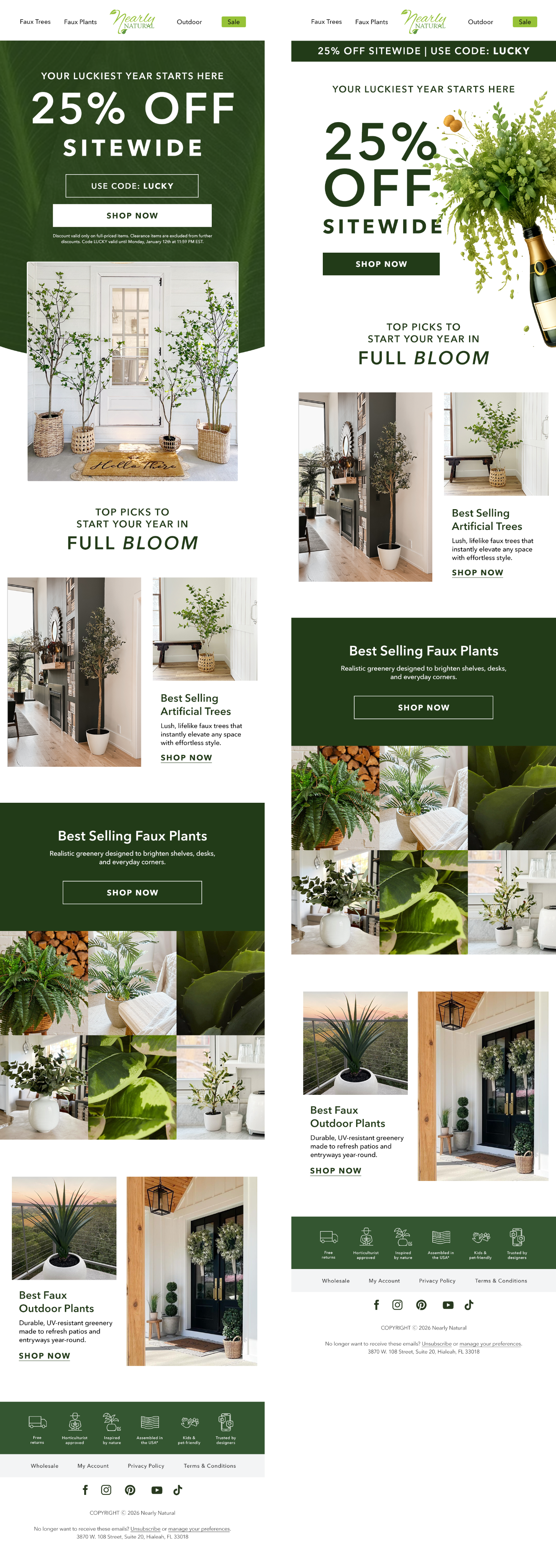 Nearly Natural
 Dazzle Dry
More from Direct to Consumer Retention Topics
Find out what your program is leaving on the table.
A 35 to 40 page audit of your email and SMS program, delivered in 3 to 5 days. It is yours to keep whether or not we work together.
Get my free audit See pricing