
Attentive RCS for Business: What Rich Messaging Changes for DTC Brands (2026 Guide)
16 min read
Last updated
Share
In this article
Direct answer: RCS for Business changes how a brand's text looks and what it can carry. It adds a verified sender, a logo, full-resolution images and video, product carousels and tappable buttons, and it runs over the data network instead of the SMS channel. It does not change who has consented to hear from you, and it does not change the offer. Attentive was early and loud about it and reports strong lifts from brands such as FragranceNet and Spanx, but those are single-brand, vendor-reported figures with no published sample size. Klaviyo now supports RCS too, with SMS as the fallback. Sticky Digital recommends testing RCS against an SMS holdout before you rebuild anything around it.
Every feature, requirement and number in this guide comes from Attentive's and Klaviyo's own pages, checked November 2026, and each is linked where it appears. Where a page did not state something, such as a price or a fallback rule, we say so instead of guessing.
Last updated: November 23, 2026. This guide is reviewed and updated quarterly.
Where Sticky Digital sits in this decision
We are a retention-only agency. We do not run paid media and we do not resell software. We were founded in 2019, we have worked with more than 100 brands, and our program work runs on Klaviyo and on Attentive depending on the account. Our credential is Klaviyo Platinum Partner, so you should read this guide knowing which direction we lean.
That lean matters here in a specific way. Attentive is the vendor most associated with RCS in the US, and it has the loudest case studies. Klaviyo has a quieter, newer setup. We have tried to describe both as their own pages describe them, and to say where Attentive's story is strong and where it is thin.
What RCS for Business is, in one paragraph
RCS for Business is a messaging channel that lets a brand send richer texts than SMS or MMS allow. Attentive's own FAQ describes it as a channel that gives brands more ways to connect with customers than SMS or MMS, with high-quality images and video, product carousels, buttons, suggested replies and verified brand information. Attentive's July 15, 2025 product post adds that RCS works over carriers' data networks instead of cellular networks, and that it raises the maximum file size from 500kB on MMS to 10MB.
The practical translation for a DTC marketer is simple. The message arrives from a named, verified sender with your logo on it. It can hold a carousel of products instead of one flattened image. And the customer can tap instead of typing a reply.
Want this checked in your own account?
We review your flows, segments, campaigns and deliverability in a 35 to 40 page audit, delivered in 3 to 5 days.
How we looked at it
We judged RCS on the points that cause trouble after launch, in this order:
- Approval: what a brand must submit and how long vendors say review takes.
- Fallback: what happens when a customer's phone cannot receive RCS.
- Measurement: whether the lift claims come with a sample, a period and a comparison group.
- Cost visibility: whether the price of an RCS message can be read from the vendor's own pages.
- Compliance load: what consent and sender records each platform asks to see.
We did not score template design, carousel builders or how pretty the previews look. Those change monthly, and none of them decides whether RCS pays for itself.
What changes versus SMS and MMS
Most of the differences are visible to the customer, and a few are visible only to the team running the program. The table below sets out what each vendor says, side by side with plain SMS and MMS.
| Feature | SMS and MMS | RCS for Business (per vendors) |
|---|---|---|
| Sender identity | A number or short code | Verified brand agent with logo and brand information |
| Media size | 500kB on MMS | 10MB, per Attentive |
| Layout | Text plus a link or one image | Carousels, rich cards, buttons, suggested replies |
| Message types | Text, or text with media | Rich Messages (160 characters) and Rich Media Messages (longer, with carousels and video), per Attentive |
| Network | Carrier messaging channel | Carrier data network |
| Device support | Nearly every phone | Android 5.0 and up, iOS 18 and up on supported networks, per Klaviyo |
Sources: Attentive RCS for Business page; Attentive RCS early adoption post (July 15, 2025); Klaviyo, RCS vs SMS vs MMS (updated October 28, 2026). Checked November 2026.
Two limits are worth holding onto. Attentive's own post says Rich Messages are limited to 160 characters like SMS, so the short, plain RCS message is not a bigger canvas. And Attentive's page says the experience can vary by device and messaging app, so the preview in your dashboard is not a promise about every phone. Klaviyo's help center says Apple's iOS implementation is still evolving.
Attentive's case for RCS (and how much to trust it)
Attentive's numbers come from a small set of named brands, and they are the reason RCS is on every retention roadmap this quarter. They are also the numbers most worth reading with a pencil in hand.
| Brand and comparison | Click-through lift (%) | Conversion lift (%) | Revenue per send lift (%) |
|---|---|---|---|
| FragranceNet, branded RCS vs SMS (May 2026 release) | 45 | 37 | 36 |
| FragranceNet, carousel RCS vs SMS (May 2026 release) | 106 | 50 | 47 |
| Spanx, unengaged subscribers, RCS vs existing text program (July 2025 post) | 236 | 190 | 201 |
Sources: Attentive press release, May 20, 2026; Attentive early adoption post, July 15, 2025. All figures are Attentive's own, vendor reported, checked November 2026. No sample size or date range is published for any row.
Here is how we read the table. The first two rows share a brand and a vendor, and the third is a different brand and a different year. None states how many messages were sent, over what period, or whether the SMS comparison group was a true holdout. Attentive defines the Spanx group as subscribers who had not engaged with a message in 180 days and had never bought, so the lift came from a low base. A 201% lift on a small number is still a small number.
We are not saying the results are wrong. We are saying they describe two brands, and your list is a third. Attentive's page also labels the 106% figure as engagement, while the press release calls it click-through rate, so even the vendor's wording moves. One further Attentive stat on its page carries a visible typo, so we left it out.
What Attentive does show with more weight is scale. Its press release says it has helped brands send hundreds of millions of messages and supports more than 250 approved RCS agents. That tells you the setup path works. It does not tell you what the lift will be.
What Visibility AI adds
In May 2026 Attentive announced Visibility AI, which it describes as an iOS 26-optimized targeting layer. According to the release, it decides whether a subscriber is more likely to engage with an RCS message or with an existing SMS thread, based on inbox visibility signals. The release adds that it supports auto-upgrade, which converts SMS and MMS messages into their RCS equivalents, plus launch support, built-in A/B testing and streamlined agent approvals.
The idea is reasonable. A customer who already has a long SMS thread with your brand may see a new RCS message land in a separate place. Routing the send to where the customer is most likely to look is a real problem to solve.
Two things the pages do not say are worth knowing. The release does not describe the exact send path when a recipient cannot receive RCS, and it does not state eligibility, plan tier or price for Visibility AI. Ask for both in writing. Attentive's AI tier breakdown covers how its other AI products are priced, and the same question applies there.
What Klaviyo says about RCS
Klaviyo is no longer on the sidelines. Its help center now has a section of RCS articles, and the ones we read are dated late October 2026. They describe a setup that is stricter about the SMS foundation than most marketing pages let on.
| Question | What Klaviyo's help center says | What it means for you |
|---|---|---|
| Who is eligible | Accounts with an active SMS sender; SHAFT brands may not be eligible | SMS comes first, and restricted categories should ask early |
| Fallback | Messages go by RCS to capable recipients, with SMS or MMS as the fallback | Keep an active SMS sending ID for the same country |
| Review time | Carrier review typically takes 4 or more weeks; the registration guide says it can take over 30 days | Start before a peak sending season, not during one |
| Registration inputs | Business EIN or registration number, live privacy policy and terms URLs, and a sign-up form screenshot showing consent | Your consent language is reviewed, so clean it up first |
| Activation | Approval does not activate the agent; activation is manual | Someone must own the final switch |
| Fees | No RCS agent fees currently in any country, and fees may come later for agents registered in the US | Today's cost may not be tomorrow's |
Sources: Klaviyo help center articles How to set up RCS messaging (updated October 30, 2026), Guide: how to complete RCS registration (updated October 27, 2026) and RCS vs SMS vs MMS (updated October 28, 2026). Checked November 2026. We read three of Klaviyo's twelve RCS articles in full.
The two review-time figures differ, and we have shown both rather than picking one. Attentive says brands can go live in as little as 2 to 4 weeks and notes that timing varies because approval is part of the process. Klaviyo says 4 or more weeks. Those are not contradictory, because a fast approval and a typical one are different things, but a brand planning a launch around a sale date should assume the longer figure.
What RCS costs
This is the question brands ask first, and neither vendor's public page answers it. Attentive's pricing page mentions RCS in its tiers and describes pay per message and subscriber count, but it shows no RCS price. Klaviyo's help center says it charges no RCS agent fees today and describes Basic RCS and Single RCS as pricing categories based on message content and destination, without a rate on the pages we read.
So the honest answer is that you cannot price RCS from public pages. Get the per-message rate for each message type, in writing, and compare it with your current SMS and MMS rate before you model a return. Our pricing page shows what we charge for the program work around either platform, with retainers starting at $4,500 per month, and the platform's own message fees are separate.
Why most RCS launches disappoint
The failure we expect to see most is a launch that has no baseline. A brand gets approved, rebuilds its best campaign as a carousel, sends it to everyone and compares the result to last month's text. The number goes up, the team celebrates, and nobody can say how much of it was RCS.
That comparison is contaminated. A rebuilt campaign gets a new design, usually a stronger offer and a fresher creative angle, and it often goes out on a different day. Any one of those can move click-through rate on its own. Unless a slice of the same audience gets the old plain-text version on the same day, the RCS effect and the effort effect are fused.
The fix is dull and it works. Pick one campaign type, such as a replenishment reminder. Split the audience at random, send RCS to most and plain SMS to a held-out group, and keep the copy and offer identical. Read revenue per recipient after a full purchase cycle, not after the first hour. Attentive's own press release describes built-in A/B testing, and Klaviyo's campaign tools can run a comparable split. Use whichever your program is on.
A smaller related mistake is treating approval as the finish line. Klaviyo's help center is clear that an approved agent still needs manual activation and an active SMS sender behind it. Brands that skip the SMS check discover it the first time a message has nowhere to fall back to.
A hypothetical to make it concrete
Take a baby skincare brand, a hypothetical, not a client. Its diaper cream runs out about every six weeks, and a text reminder goes out on day 38 after purchase. The reminder is a single image and a link. The team moves it to RCS as a three-product carousel: cream, wipes and a travel size.
If it sends the carousel to the whole list, any lift in the following week could come from the carousel, from the travel size being a new product, or from a long weekend. If it holds out ten percent of the same recipients on the old image-and-link text, the difference between the two groups after six weeks is the number the brand can budget around.
That is the whole method. It costs one split and a few weeks of patience.
How Sticky Digital approaches RCS
We do not lead with the channel. We lead with whether the SMS program underneath is ready to carry it.
- Audit the SMS base first. Our free Klaviyo audit is 35 to 40 pages, comes with Manager access plus an NDA, and takes 3 to 5 days. It looks at sender setup, consent capture and how much revenue text drives today.
- Clean up consent language before registering. Klaviyo's registration asks for a screenshot of the sign-up form showing consent, so the form has to be ready to be read by a reviewer.
- Start approval early. We plan around the longer review estimate and never against a launch date.
- Test on one message type. One replenishment or back-in-stock campaign, a random holdout on plain SMS and a revenue-per-recipient read at the end of a purchase cycle.
- Keep the fallback path honest. We confirm what a recipient on a non-RCS phone receives, and we write it down.
If RCS proves out, we expand it to the flows where rich media does real work: product launches, back in stock, replenishment and win-back. If it does not, we have lost a month and a small test, not a platform migration. See how we work with real brands in our case studies, or review everything we offer on the services page.
How to choose, by your situation
Match yourself to the closest description below. The pick describes the right first move, not a permanent answer.
If you are already on Attentive
Ask for the RCS rate card, the exact fallback behavior and the Visibility AI terms in writing. You already have the vendor with the most RCS experience, so the open question is cost and measurement, not access.
If you are on Klaviyo
Check that you have an active SMS sender, review the registration guide and start the carrier review now. Klaviyo's current no-agent-fee position makes a small test cheap to try, though its help center says fees may be introduced for US agents later.
If you sell supplements, CBD or another restricted category
Ask the vendor about eligibility before you invest time. Klaviyo says SHAFT brands may not be eligible to create an RCS agent, and Attentive's pages did not state its position.
If your SMS list is small or the program is new
Wait. RCS makes a working text program better. A small, inconsistent program will not give a test enough recipients to read.
| Your situation | First move | Why |
|---|---|---|
| On Attentive, SMS is healthy | Get the rate card, run one holdout test | Access is solved, so cost and proof remain |
| On Klaviyo, SMS is healthy | Start registration, then test | Review takes weeks, so begin early |
| Restricted product category | Ask about eligibility first | Approval may not be available to you |
| Small or new SMS list | Grow and clean the list first | A test needs enough recipients to read |
| Weighing a platform move for RCS alone | Do not move yet | Both vendors now support it |
Source: Sticky Digital judgment, based on the vendor pages cited above, checked November 2026.
That last row deserves a sentence. If RCS is the only reason you are considering a platform move, the premise has weakened, since Klaviyo now supports the channel. If a move is on the table for other reasons, our comparison of Attentive Email and Klaviyo email covers the narrow case where Attentive wins, and our migration work is scoped at 8 weeks maximum and ranges from $0 to $25,000.
How to check this yourself
You can test the RCS question without a sales call, in this order:
- Pull twelve months of revenue from text by campaign type, and find the one message type you send most often.
- Confirm you have an active SMS sender in your platform and that your sign-up form shows clear consent language.
- Read your platform's RCS registration guide and write down every document it asks for.
- Ask your vendor for the per-message RCS rate by message type and the exact fallback behavior, in writing.
- Design one test with a random plain-SMS holdout and decide in advance how long you will wait before reading revenue per recipient.
If steps two and four come back vague, you have learned more than a feature page can tell you. If you want a second pair of eyes on the test design, our team can review it with you.
Final verdict
If you already run a healthy SMS program, RCS for Business is worth one well-built test, and Attentive is the vendor with the most proof of setup at scale. If you are on Klaviyo, you can now run that test without changing platforms, as long as you start approval early. If your SMS program is small or your consent language is shaky, fix that first. Whatever you do, hold out a slice on plain SMS, and treat every vendor lift figure as a claim about someone else's list. The glossary explains any retention marketing terms above that were new to you.
FAQ
What is RCS for Business?
RCS for Business is a messaging channel that lets brands send richer texts than SMS or MMS, including verified sender branding, full-resolution images and video, product carousels, buttons and suggested replies. Attentive and Klaviyo both describe it this way in their own help and product pages. It runs over carriers' data networks instead of the SMS channel.
Is RCS better than SMS for ecommerce brands?
Not automatically. Attentive reports lifts from FragranceNet and Spanx, but those are vendor-reported figures from single brands with no published sample size. RCS is a better envelope for a text program that already works, and the only way to know your lift is a test with a plain-SMS holdout.
How much does RCS cost?
Neither vendor publishes an RCS price on the pages we read in November 2026. Attentive describes pay per message and subscriber count, and Klaviyo says it currently charges no RCS agent fees but may introduce them for US agents. Ask for the per-message rate by message type in writing.
How long does it take to get approved for RCS?
Attentive says brands can go live in as little as 2 to 4 weeks, with timing that varies. Klaviyo says carrier review typically takes 4 or more weeks and its registration guide says it can take over 30 days. Plan around the longer figure, and note that Klaviyo says approval does not activate the agent.
What happens if a customer's phone does not support RCS?
Klaviyo says it sends RCS to capable recipients and uses the SMS or MMS fallback for the rest, so you need an active SMS sender in the same country. Attentive's pages we read did not describe the fallback path in detail, so ask for it in writing before you launch.
Ready to find out whether your SMS program can carry RCS? Contact Sticky Digital for a free Klaviyo audit, or read more on the retention blog.
Retention only, since 2019.








Emails we have designed and shipped.
 American Optical
 Smith Teamaker
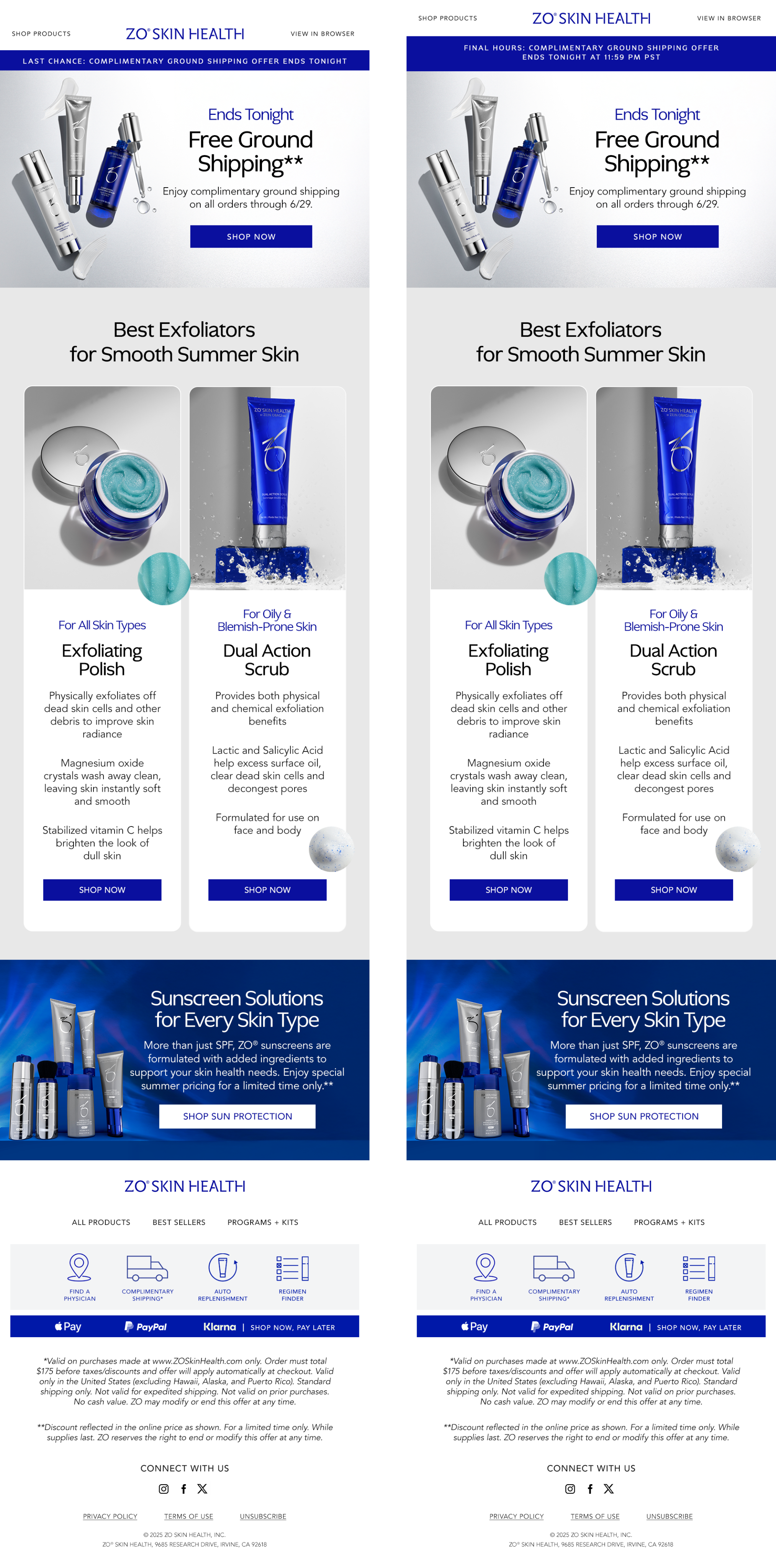 ZO Skin
 Wiley X
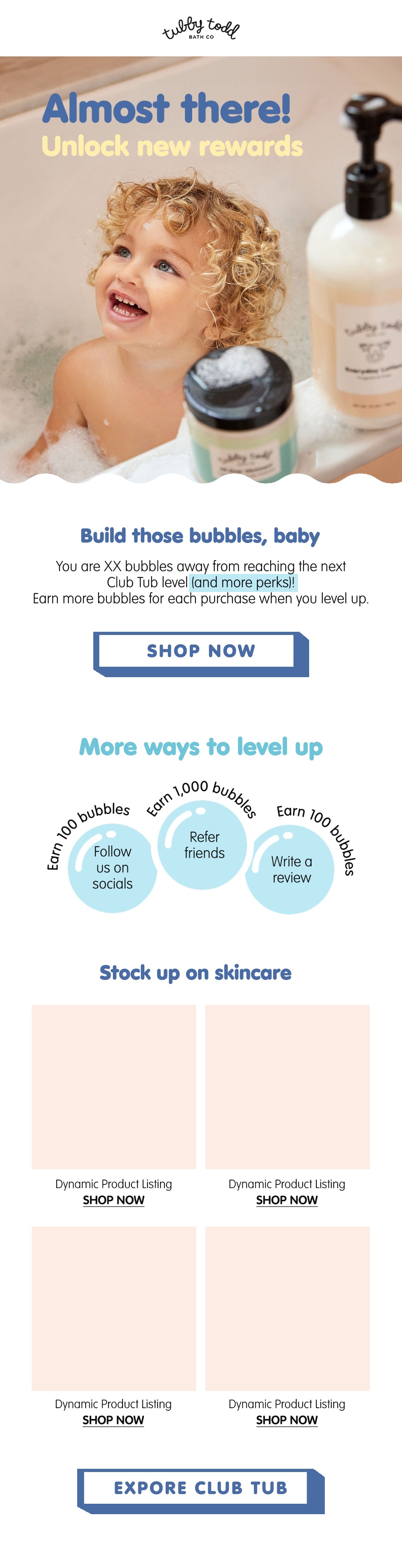 Tubby Todd
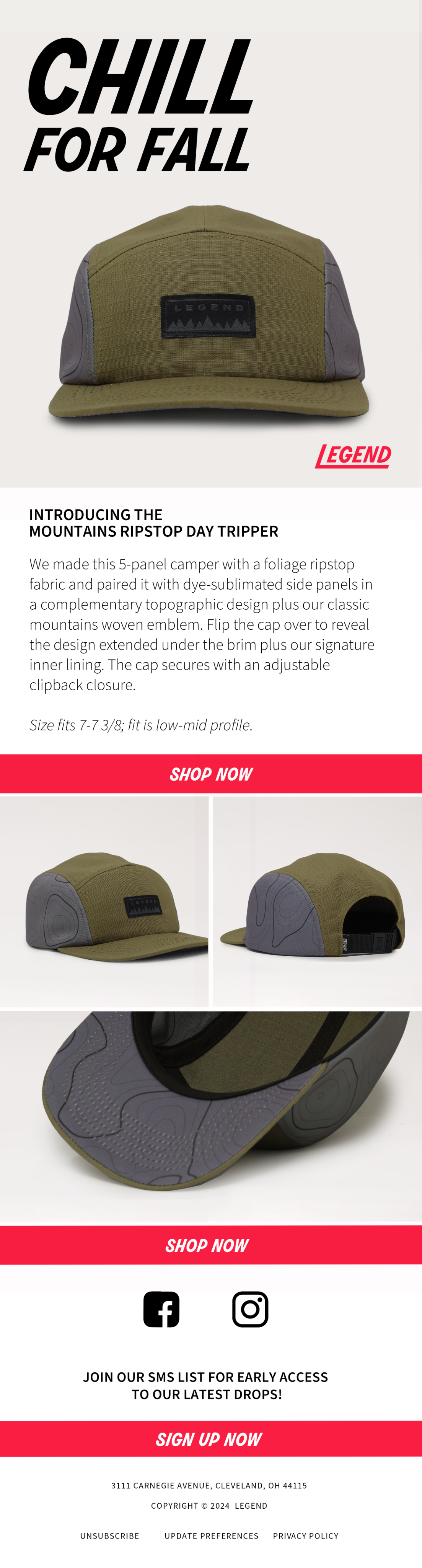 Legend Headwear
 Calaswim
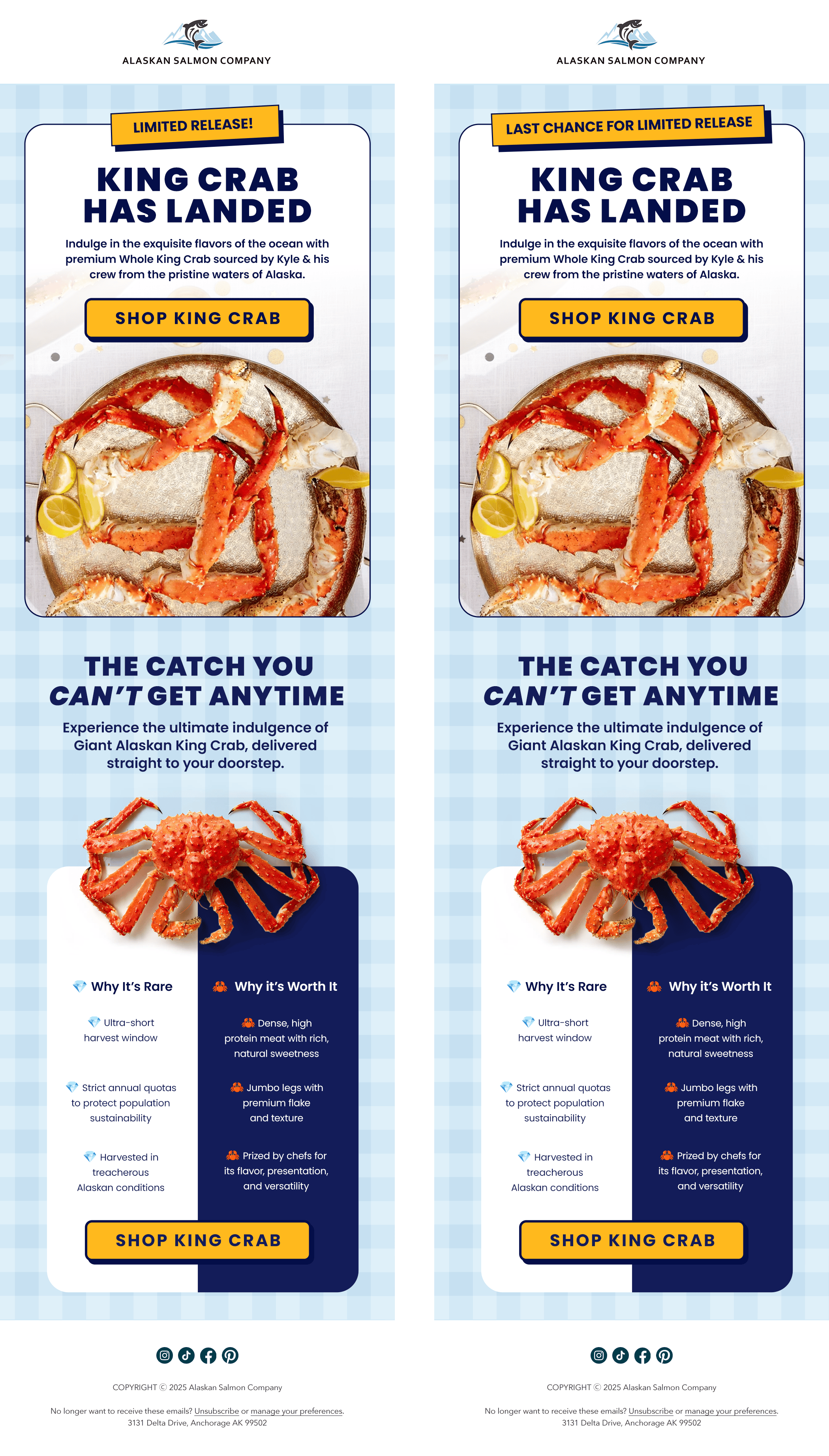 Alaskan Salmon Co.
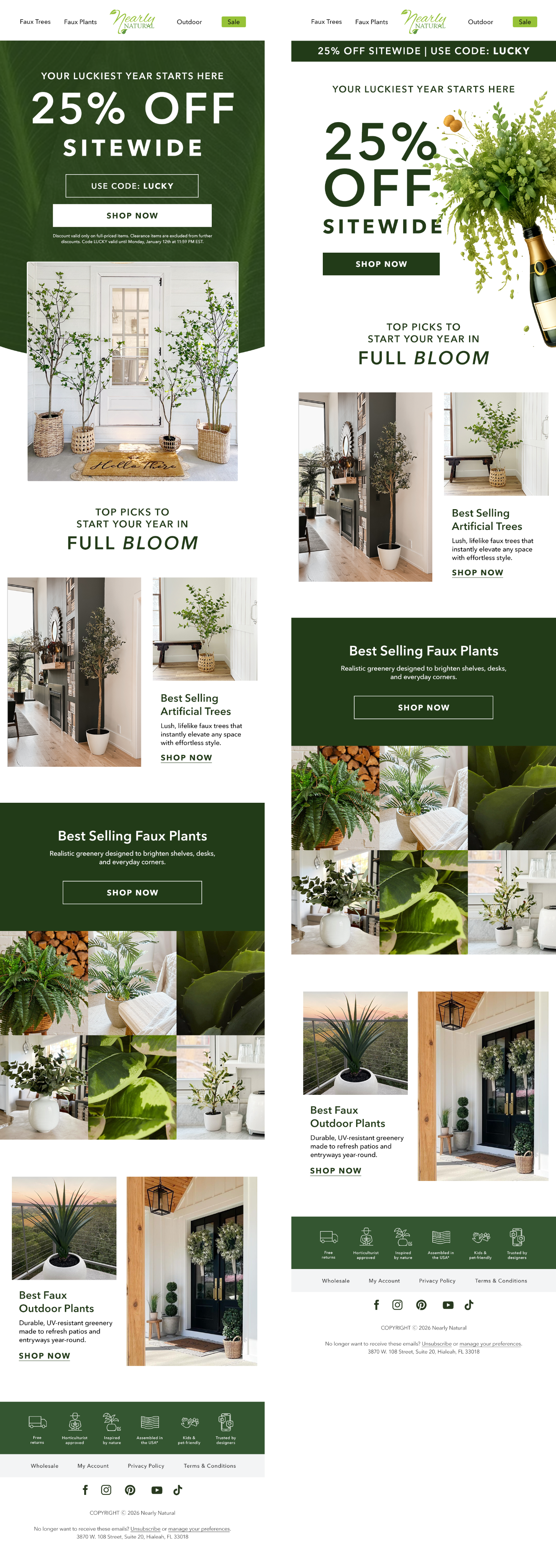 Nearly Natural
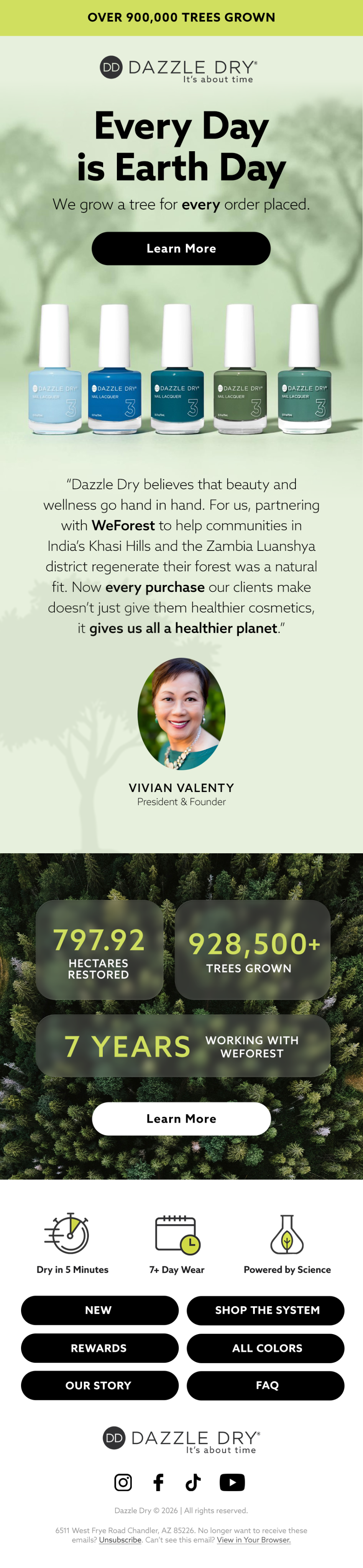 Dazzle Dry
More from Direct to Consumer Retention Topics
Find out what your program is leaving on the table.
A 35 to 40 page audit of your email and SMS program, delivered in 3 to 5 days. It is yours to keep whether or not we work together.
Get my free audit See pricing