

Which Flows to Rebuild First After a Migration: A 30-Day Order for Protecting Revenue
10 min read
Last updated
Share
In this article
Direct answer: Rebuild the flows whose audience vanishes if you miss it, and rebuild them first: welcome series for email and SMS, abandoned checkout, abandoned cart, and anything tied to a subscription charge or order status. Rebuild flows that run on timers next, within two weeks. Leave flows built on audiences that sit still, such as winback, sunset, birthday, and VIP, for days 22 to 30. Sticky Digital recommends sorting by how fast the audience expires, not by how easy the flow is to build or where it sits in the old platform’s list.
What we see across the flow data in Sticky accounts
We pulled flow revenue from Hiro for four Sticky accounts: a beauty brand, a wellness brand, a food and beverage brand, and a pet subscription brand. They run between 17 and 63 flows each. In every one, a short list did most of the work. The top five flows produced between 60% and 92% of attributed flow revenue.
Then we looked at which five. In the other three accounts, welcome and abandonment flows held three or four of the top five slots. In the pet subscription account the list looked different: subscription order reminders, shipping and delivery texts, and an SMS welcome. Same ranking exercise, different answer, because that product is bought on a cycle and every cycle sends a message.
One caution before the numbers. These are attributed revenue figures as Hiro credits them, which counts orders that follow an email or text inside an attribution window. They show where messages touch orders. They don’t prove what each flow adds beyond what would have sold anyway, and transactional messages collect credit simply by being the last thing a customer sees. For sequencing, that’s fine. A rebuild plan needs a ranking, not a lift study.
The ranking is the plan, and it is where the Sticky Digital team starts every migration. A rebuild that treats 40 flows as 40 equal tasks spends its first weeks on flows that earn little.
Which flows to rebuild first after a migration, in three groups
The order we use has three groups. The reasoning behind each is what makes it portable to your brand, so the sections below take them one at a time.
- Cutover day: welcome series for email and SMS, abandoned checkout, abandoned cart, subscription charge and failed-payment flows, and order or shipping messages if the platform sends them.
- Days 1 to 14: post-purchase onboarding, browse abandonment, back in stock, and replenishment.
- Days 15 to 30: review requests, cross-sell, loyalty and VIP, then winback, sunset, birthday, and seasonal flows.
Group one is small on purpose. It’s five or six flows, and in the accounts we measured it carried most of the revenue. Group two is the set of flows that don’t vanish audiences but do run on clocks. Group three is everything that either depends on another app or waits on an audience that isn’t going anywhere.
We quote Klaviyo migrations by account size.
Flows, segments, templates and deliverability come over together, in 8 weeks at most.
Where flow revenue sits in four Sticky accounts
| Account | Welcome (email and SMS) | Cart and checkout | Subscription and order status | Browse | Winback | Top five flows |
|---|---|---|---|---|---|---|
| Beauty | 48% | 29% | 10% | 9% | <1% | 61% |
| Wellness | 59% | 7% | 9% | 2% | 4% | 76% |
| Food and beverage | 69% | 19% | 1% | <1% | none | 92% |
| Pet subscription | 9% | 4% | 73% | 2% | 2% | 60% |
Share of Hiro-attributed flow revenue. The wellness row covers the trailing 12 months and Klaviyo flows only. The other three cover August 1 to October 30, 2026. Flows are sorted by name, and loyalty, replenishment, and post-purchase flows are left out of the table, so rows don’t add to 100%.
Welcome flows were the largest category in the three accounts built around email and SMS sign-ups, at 48% to 69% of attributed flow revenue. Cart and checkout flows added 7% to 29%. Together those two categories produced 66% to 88% of the total in all three.
Winback is the number that should change how you schedule the work. It never passed 5% in any account, and the food and beverage account runs none. Lapsed customers sit still. A winback flow that goes live in week four loses very little against one that goes live in week one.
The pet account is the exception that explains the rule. About 73% of its attributed flow revenue came from subscription reminders and order-status messages, because its customers buy on a fixed cycle. Its welcome and cart flows together produced about 13%. Rank its flows the way you would rank the other three and you rebuild the wrong things first.
How to decide which flows to rebuild first after a migration: perishable before patient
We sort every flow into one of two bins. A perishable flow is triggered by a moment that doesn’t repeat: a new subscriber, a shopper who just left a checkout, a card that just failed, a charge scheduled for Thursday. Miss the moment and the audience is gone. A patient flow runs on an audience that stays put: lapsed customers, birthday lists, VIPs. A week of delay costs little because the same people are still there next week.
The test takes five seconds. If this flow is dark for seven days, does the audience come back, or does it leave? Most flows answer immediately.
The platform won’t fix a gap for you afterward. Klaviyo staff have explained in the community forum that back-populating a metric-triggered flow queues profiles according to where they fall in the flow’s first time delay, and skips anyone outside that window. A shopper who abandoned a checkout the week before your new abandoned checkout flow went live is, for practical purposes, gone. Customers who were midway through a flow on the old platform don’t carry their place in line either.
Cutover day: the perishable flows
These are live before you point traffic at the new platform, or on the day you do. Welcome series for email and SMS. Abandoned checkout and abandoned cart. Any flow tied to a subscription charge: upcoming-charge reminders, failed-payment recovery, cancellation. If your platform also sends order and shipping messages, add those. When time forces a choice, build abandoned checkout before abandoned cart, since a shopper who reached checkout usually showed more intent than one who added to cart.
None of it matters if the events that trigger these flows don’t fire. Confirm that checkout started, added to cart, and placed order events arrive on the new platform before you judge any flow. Then check how the platform treats imported history. In Klaviyo, for one example, an event marked historical is recorded but does not trigger flows, which is what keeps a replayed order history from firing stale abandoned cart emails.
Consent belongs in this group too. SMS subscribers and their consent records have to arrive with the list, and the SMS welcome can’t go live until they do.
Days 1 to 14: the flows with clocks
Post-purchase onboarding, browse abandonment, back in stock, and replenishment. These aren’t perishable in the same way, but they run on timers, and the timers started before you migrated. A replenishment reminder set for 30 days after purchase will come due inside your first month for everyone who ordered in the 30 days before cutover. In the wellness account, replenishment flows produced 11% of attributed flow revenue, more than abandoned checkout did.
Days 15 to 21: the dependent flows
Review requests, cross-sell, loyalty and VIP, and quiz follow-ups. Most of these lean on another app, so the schedule depends on that app’s integration, not on how fast anyone writes copy. Loyalty flows earned 3% to 7% of attributed flow revenue in the three accounts that run a rewards program. Worth rebuilding properly. Not worth rushing.
Days 22 to 30: the patient flows
Winback, sunset, birthday and anniversary, seasonal. One exception. The rule that keeps unengaged profiles out of your sends goes live on day one, as a segment. A new sending setup builds its reputation on whoever you mail first, and mailing the whole list, including people who haven’t engaged in a year, puts that reputation at risk. The sunset flow that tidies the list later can wait. The segment can’t.
Why rebuilding in the wrong order costs the first month
Migrations tend to go wrong in the order of operations, not in any single flow. Four habits do most of the damage.
The first is rebuilding in the order the old platform lists flows, usually alphabetical or by creation date. A welcome series lands near the bottom of an alphabetical list and near the top of the revenue ranking.
The second is rebuilding the easy flows first because they ship fast. A birthday email is an afternoon. A subscription billing flow touches the store, the subscription app, and the consent and discount logic, and it takes longer. The afternoon gets done first and the longer job gets pushed. The longer job was worth more.
The third is copying everything one to one. In a wellness account we pulled, 18 of 43 flows recorded no attributed revenue in the past twelve months. Some of those are transactional on purpose, so the number is not a delete list. It is a list of questions, and a migration is the cheapest moment to ask them.
The fourth shows up in accounts that have been rebuilt more than once. In one beauty account, ten separate cart and checkout flows earned revenue in the same 90 days, several carrying the names of different tracking setups. Revenue scattered across ten flows is hard to test and harder to trust. Decide on cutover day which flow is live and turn the other off. We keep more notes like this on the Sticky Digital blog.
How Sticky Digital sequences a migration
Here is the process we run, in order.
- Rank the old account’s flows by attributed revenue and read the top five before anything else. For client accounts that ranking comes from Hiro. For a brand we haven’t worked with, it comes from the platform’s own flow reports.
- Tag each flow perishable or patient, and write down what it depends on: a tracking event, a subscription app, a loyalty app, a consent record, a discount code. The dependency list sets the real calendar.
- Give every flow a cutover rule: which platform is live, at what time, and what happens to customers who were midway through the sequence.
- Put every zero-revenue flow on a question list before it goes on the rebuild list.
- Re-rank on day 30 using the new account’s numbers. The old ranking is a starting point, not a verdict.
This sits inside how we scope email and SMS migrations at Sticky Digital, alongside list and consent transfer, tracking checks, and sending warmup. The services overview lays out the rest.
FAQ
Which flow should you rebuild first after switching email platforms?
The welcome series, for email and SMS. In the three Sticky accounts built around sign-ups, welcome flows were the largest category at 48% to 69% of attributed flow revenue, with abandoned checkout and cart next. The exception is a brand that sells mostly on subscription, where charge reminders and order-status messages can outweigh both.
Can you pause flows during a migration and rebuild them later?
Only the ones that run on patient audiences. Pausing a welcome or abandoned checkout flow means those shoppers never get the message, because in Klaviyo, back-populating a metric-triggered flow reaches only profiles still inside the flow’s first time delay. Winback, sunset, and birthday flows can wait, since their audience is still there when they return.
How long should it take to rebuild flows after a migration?
Sticky Digital plans the rebuild across the first 30 days, with the revenue-critical group live at cutover and the rest in three later waves. Dependent flows, such as loyalty and reviews, set their own pace because they wait on another app’s integration.
Should you copy every flow from the old platform?
No. Rank flows by attributed revenue first and treat zero-revenue flows as questions, not tasks. In one wellness account we pulled, 18 of 43 flows earned no attributed revenue in a year, though some of those are transactional by design.
Brands that want a rebuild order built from their own revenue data can start here.
Article By: Mariel Kilroy, Co-Founder, Sticky Digital
Mariel Kilroy is the Co-Founder of Sticky Digital, a retention marketing agency specializing in email, SMS, loyalty, and subscription growth for DTC brands.
Related reading: how to choose a Klaviyo migration agency, what a Klaviyo migration costs and how long an ESP migration takes.
Migration guides by platform: Salesforce Marketing Cloud to Klaviyo, Listrak to Klaviyo and Omnisend to Klaviyo.
Not sure where your Klaviyo account stands? Here is what is in our free Klaviyo audit and how long it takes.
Retention only, since 2019.








Emails we have designed and shipped.
 American Optical
 Smith Teamaker
 ZO Skin
 Wiley X
 Tubby Todd
 Legend Headwear
 Calaswim
 Alaskan Salmon Co.
 Nearly Natural
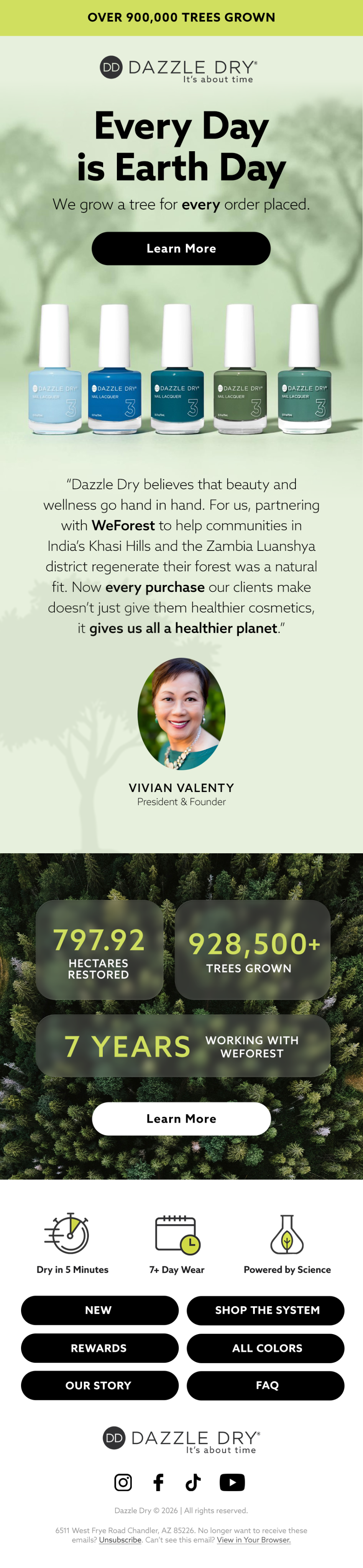 Dazzle Dry
More from Sticky Digital Services



Ready to plan your move?
Tell us where you are today and we will quote the migration by account size. Klaviyo migrations take us 8 weeks at most.
Plan my migration See pricing